
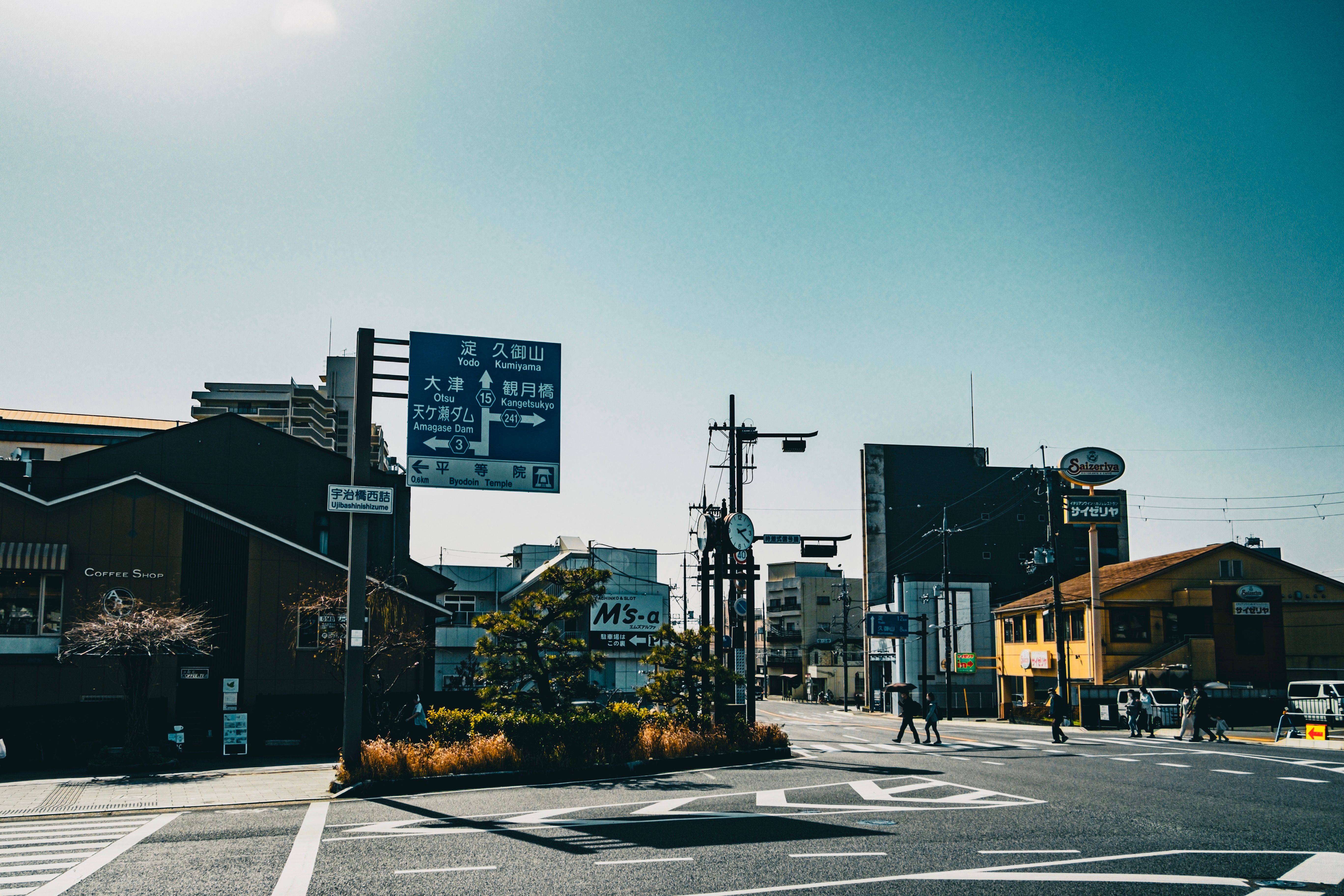
Study in Japan

Study in Japan
Study Abroad

Why Study in Japan?

Japan offers a unique blend of traditional culture and cutting-edge technology. With generous government scholarships, affordable living costs, and strong employment opportunities, Japan is an increasingly popular choice for Nepali students aspiring for a global career.

Sukriti Global Education Consultancy has helped thousands of Nepali students successfully enroll in top universities across Japan. Our expert counselors will guide you through every step — from course selection to visa approval.

  • World-class universities with global recognition
  • Post-study work opportunities available
  • Scholarship and financial aid options
  • Multicultural and welcoming environment
  • Strong Nepali student community
Apply Now
Requirements

Key Requirements

Academic Qualification

Completion of SEE and +2 (Grade 12) or equivalent with required minimum grades.

  • SEE +2 (minimum GPA 2.0 or equivalent) with certified transcripts
  • Equivalency from NEB if using a foreign board certificate
  • Notarized/attested copies of mark sheets as required by the embassy
  • Proof of any diploma or foundation programs if applicable
  • Clear explanation for any gap years (if present)

Japanese Language Proficiency

JLPT N4 or JFT-Basic certification is required for most Japanese language schools and SSW visa programs. IELTS and PTE are not applicable for Japan.

  • JLPT N4 or above required for Japanese language school admission
  • JFT-Basic accepted as an alternative to JLPT N4 for SSW visa applicants
  • JLPT N2 or N3 recommended for direct university admission programs
  • Some English-taught university programs may require TOEFL/IELTS — confirm with institution
  • Sukriti Global's Japanese language training prepares you for JLPT and JFT-Basic

Documentation

Valid passport, academic transcripts, SOP, LOR, and financial documents required.

  • Valid passport with at least 12 months validity
  • Statement of Purpose (SOP) and 2-3 Letters of Recommendation (LORs)
  • Academic transcripts, mark sheets, and degree certificates (attested)
  • Police clearance certificate and medical reports (e.g., TB test) as required
  • Passport-size photos (white background) and ID proof (Nepal citizenship/passport)

Financial Proof

Bank statements showing sufficient funds to cover tuition and living expenses for your studies.

  • Bank statement(s) showing funds for at least 1 year of study + living costs
  • Sponsor affidavit / financial guarantee if funded by family (with relationship proof)
  • Loan sanction letter or scholarship award letter (if applicable)
  • Budget breakdown showing tuition + accommodation + living expenses
Study Programs

Popular Fields of Study in Japan

Japan offers world-class education across a wide range of disciplines. Here are the most popular study paths chosen by Nepali students.

Japanese Language School

Japanese Language School

The most common entry point for Nepali students. Japanese language schools offer 1–2 year intensive programs that prepare students for university or work in Japan.

Duration: 1–2 years  |  Entry: N4 or JFT-Basic
Engineering & Technology

Engineering & Technology

Japan is a global leader in engineering and tech. Programs in mechanical, electrical, civil, and computer engineering are highly sought after with strong job prospects in Japan.

Duration: 4 years (Bachelor's)  |  Requirement: N2+
IT & Computer Science

IT & Computer Science

Japan's growing tech sector has a high demand for IT professionals. Degrees in software engineering, AI, data science, and cybersecurity lead to excellent career opportunities.

Duration: 2–4 years  |  Entry: N3–N2
Business & Management

Business & Management

Business schools in Japan provide strong education in management, finance, marketing, and international trade — ideal for students aiming for corporate careers in Japan or globally.

Duration: 2–4 years  |  Entry: N3+ or English programs
Nursing & Healthcare

Nursing & Healthcare

Japan faces a growing shortage of healthcare workers. Nursing and caregiver programs are in high demand, offering pathways to stable employment and permanent residency in Japan.

Duration: 3–4 years  |  Entry: N3+ recommended
Arts, Design & Animation

Arts, Design & Animation

Japan is the world capital of anime, manga, and creative design. Art and design schools in Japan attract students passionate about creative industries with globally recognized programs.

Duration: 2–4 years  |  Entry: Portfolio + N3
How to Apply

Application Process

Our step-by-step guidance makes the Japan student application process simple and stress-free.

1

Free Counselling

Meet our Japan specialist counsellors to discuss your goals, academic background, and suitable programs.

2

Language Training

Enroll in our Japanese language course to reach the required JLPT/JFT level for your chosen school or program.

3

School Selection & Application

We help you choose the right school, prepare your SOP, documents, and submit your application to Japanese institutions.

4

Visa Application

We prepare your complete student visa file — CoE, financial documents, embassy forms — and guide you through the interview process.

5

Depart & Settle in Japan

We provide pre-departure orientation including accommodation, airport arrival, and settling-in guidance so you land in Japan with confidence.

Financial Aid

Scholarships for Nepali Students

Several government and university scholarships are available to international students studying in Japan. Sukriti Global helps you identify and apply for the right ones.

MEXT Scholarship

The Japanese Government (Monbukagakusho) scholarship is one of the most prestigious awards available. It covers full tuition, accommodation, and a monthly stipend for the entire study period.

  • Full tuition waiver
  • Monthly living allowance (approx. ¥117,000–¥145,000)
  • Round-trip airfare covered
  • Available for undergraduate & postgraduate levels

JASSO Scholarship

Japan Student Services Organization (JASSO) offers merit-based scholarships to international students enrolled in Japanese universities. Applications are made through the institution.

  • Monthly stipend (approx. ¥48,000)
  • Applied through your Japanese university
  • Available after enrollment
  • Merit-based selection

University Scholarships

Many Japanese universities offer their own scholarship programs for international students — including tuition reduction, merit awards, and research grants. Eligibility varies by institution.

  • Tuition fee reduction (10–100%)
  • Research and academic excellence grants
  • Available at both private and national universities
  • Sukriti Global helps identify eligible programs
Life in Japan

Student Life in Japan

Japan is safe, modern, and incredibly well-organized. Here's what Nepali students can expect when they arrive.

Cost of Living

Monthly living costs in Japan vary by city. Tokyo is more expensive, while regional cities offer more affordable options.

  • Accommodation (student dorm)¥30,000–¥60,000/month
  • Food & groceries¥20,000–¥35,000/month
  • Transport¥5,000–¥15,000/month
  • Utilities & phone¥5,000–¥10,000/month

Part-Time Work

International students on a student visa can work part-time in Japan under the "Permission to Engage in Activity other than that Permitted" rule.

  • Up to 28 hours/week during term time
  • Full-time work permitted during school holidays
  • Average hourly wage: ¥1,000–¥1,200/hour
  • Common jobs: convenience stores, restaurants, delivery

Accommodation

Several accommodation options are available to students in Japan, ranging from university dormitories to private apartments and shared housing.

  • University/school dormitories (most affordable)
  • Share houses with other international students
  • Private apartments (1K or 1DK units)
  • Student halls managed by JASSO

Safety & Environment

Japan is consistently ranked among the safest countries in the world. Students benefit from excellent public transport, clean cities, and a respectful cultural environment.

  • One of the world's lowest crime rates
  • Efficient and punctual public transport
  • Universal health insurance for students
  • Growing Nepali community support network
FAQ

Frequently Asked Questions

Common questions Nepali students have about studying in Japan.

Do I need to know Japanese to study in Japan? +

For most programs — especially language schools and Japanese universities — you will need at least basic Japanese (JLPT N4 or JFT-Basic). However, some universities offer English-taught programs that do not require Japanese proficiency. Sukriti Global's Japanese language training prepares you for both paths.

How much does it cost to study in Japan? +

Tuition fees at Japanese language schools range from ¥600,000–¥900,000 per year. University undergraduate programs typically cost ¥500,000–¥800,000/year at national universities and higher at private ones. Monthly living costs average ¥80,000–¥130,000 depending on the city. Part-time work can cover a significant portion of living expenses.

What is a Certificate of Eligibility (CoE)? +

The Certificate of Eligibility (CoE) is a document issued by the Japanese Immigration Services Agency confirming that you meet the requirements for a student visa. Your Japanese school will apply for the CoE on your behalf. Once received, you submit it to the Japanese Embassy in Nepal to obtain your visa.

Can I work while studying in Japan? +

Yes. International students in Japan are allowed to work up to 28 hours per week during term and full-time during holidays, provided they have obtained a work permission stamp from immigration. This is one of Japan's most student-friendly policies and helps students manage living expenses.

How long does the visa process take? +

The overall Japan student visa process typically takes 4–6 months from application submission to visa issuance. This includes school application, CoE processing (2–3 months), and embassy visa processing. We recommend starting the process at least 6–8 months before your intended start date.

What are the job opportunities after graduating in Japan? +

Japan actively encourages international graduates to stay and work. Students who graduate from Japanese universities can apply for a "designated activities" visa for up to 1 year to job hunt. Many fields — especially engineering, IT, healthcare, and hospitality — have high demand and offer clear pathways to permanent residency.

Ready to Study in Japan?

Get expert guidance from our counselors who specialize in Japan student admissions.

Book Free Counselling Session